

Keeping your dental implants clean every day is one of the most important steps you can take to protect them and keep your mouth healthy. Many implant patients find certain areas harder to reach — and that’s where a consistent routine prevents problems like peri-implantitis. Our dental team is here to cover why daily care matters, how to brush and floss safely, which mouthwashes to consider, useful specialty tools, and the role of professional maintenance.
If you have questions about dental implant care or how you can get started with Teeth Next Day treatment from Dr. Jay Ajmo, contact our Palm Beach Gardens dentist today by calling 561-627-8666.
Patients consistently choose Dr. Jay Ajmo for their dental implant needs due to his unparalleled expertise, commitment to advanced techniques, and a patient-first approach that ensures exceptional results. As a leading implant dentist in Palm Beach Gardens, Dr. Ajmo combines extensive experience with state-of-the-art technology to provide durable, aesthetically pleasing, and functional implant solutions.
Choosing Dr. Ajmo means entrusting your smile to a dentist renowned for his precision, artistry, and unwavering commitment to patient well-being.


Daily cleaning helps implants last longer by keeping plaque and bacteria from building up around the implant and gums. Left unchecked, plaque can cause peri-implant mucositis and peri-implantitis — inflammatory conditions that damage gum tissue and the bone supporting the implant. Regular home care greatly lowers the chance of these issues and reduces the risk of implant loss. A steady, simple routine protects both the implant and the tissue around it.
Peri-implantitis is inflammation around an implant that can lead to bone loss and, if not treated, implant failure. Signs include red, swollen, or bleeding gums, and sometimes pain near the implant. Early detection and prevention, mainly through good home care and regular dental visits, are key to keeping implants healthy over the long term.
Basic oral hygiene, brushing, interdental cleaning, and using an antimicrobial rinse when recommended, removes plaque and food debris that feed harmful bacteria. When you keep up these habits, you lower inflammation and infection risk around your implants. Think of daily care as the first line of defense that complements professional teeth cleanings and check-ups.
Soft-bristle brushes are usually best as they clean effectively without irritating the gums or scratching implant surfaces. Electric toothbrushes are a strong option because they deliver consistent motion and pressure, which helps remove plaque more thoroughly. If you can, choose a brush designed for implants or sensitive gums to make daily care easier.
Use gentle, circular or short back-and-forth strokes and hold the brush at a slight angle toward the gum line. Cover all surfaces of the implant crown and the nearby teeth — front, back, and chewing surfaces. Avoid aggressive scrubbing; instead, aim for thorough, measured brushing at least twice a day
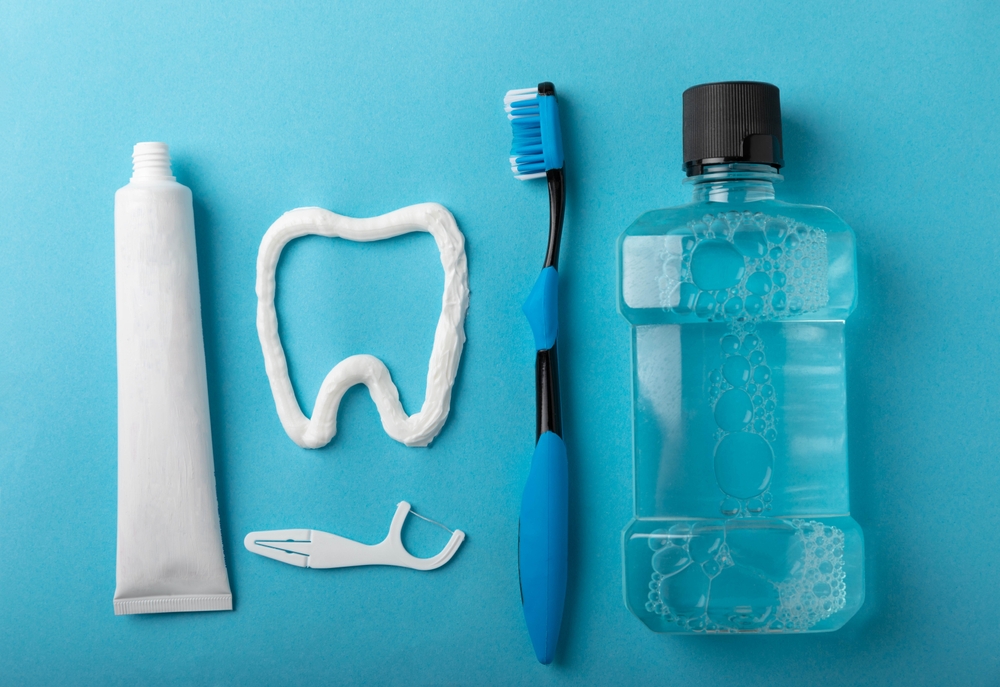
Floss with a protective coating that slides between teeth and implants without catching or scratching. Gently glide the floss, clean the sides of each tooth and the implant, and avoid snapping or forcing it. Interdental brushes are great for wider gaps; insert them gently, move them back and forth, and rinse the brush as needed.
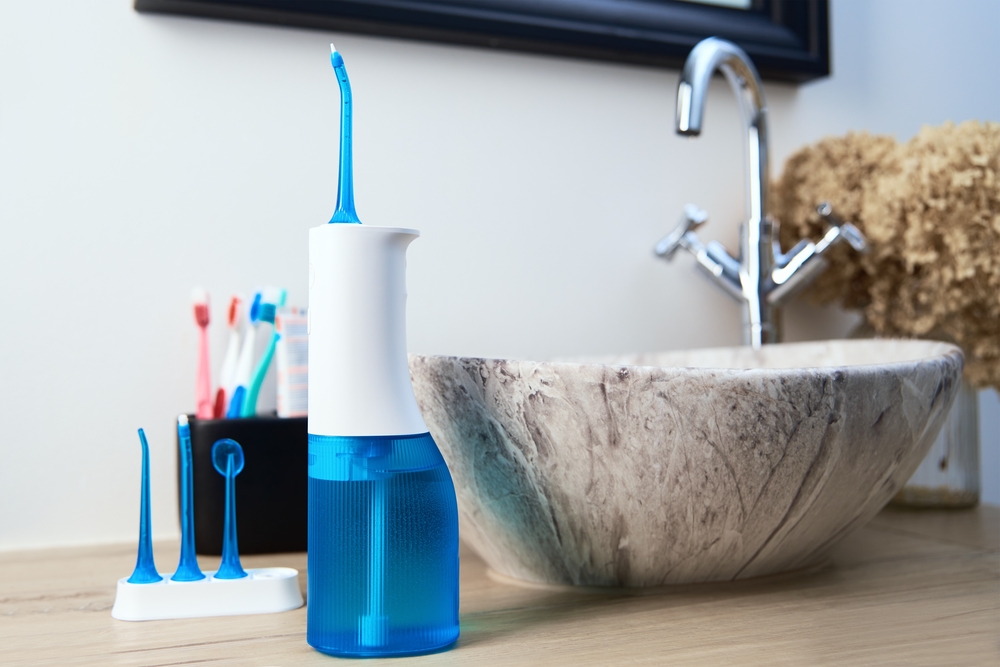
Water flossers can be a useful addition, especially if you find traditional flossing difficult. They use pulsed water to remove food particles and disrupt plaque along the gumline and around implants. Clinical studies suggest they can be comparable to string floss for reducing plaque and gum inflammation, making them a solid option for many implant patients.
Alcohol-free rinses are gentler and less likely to dry or irritate tissues around implants. Antimicrobial formulas can lower the levels of bacteria that contribute to plaque and inflammation. When recommended by your dental team, these rinses make a useful addition to daily care.
A targeted antimicrobial mouthwash can reduce bacteria linked to inflammation, helping keep gum tissue around implants healthy. Used in conjunction with brushing and interdental cleaning, it provides an additional layer of protection against the bacteria that cause peri-implant disease.
Tool | Purpose | Benefit |
Interdental Brushes | Clean between teeth and implants | Removes plaque from tight spaces |
Water Flossers | Remove debris with water pressure | Gentle on gums and helps lower inflammation |
Non-Abrasive Toothpaste | Safe cleaning for implants | Protects implant surfaces from wear |
Routine exams let your dentist monitor the implant, surrounding gums, and bone. Professional cleanings remove hardened deposits, allowing your team to spot early signs of inflammation or other issues. These visits help protect your investment and oral health over time.
Most implant patients benefit from professional cleanings every three to six months, but your dentist may recommend a schedule tailored to your needs. More frequent visits might be advised if you have a history of gum disease or signs of inflammation. Consistent daily care plus regular professional follow-up is the best way to protect your dental implants and overall oral health.
If you notice persistent discomfort, swelling, bleeding, or changes around an implant, contact your dentist promptly. Those symptoms can signal an infection or inflammation that needs professional assessment. Early evaluation and treatment improve the chances of keeping the implant healthy.
Watch for ongoing pain, swelling, redness, bleeding gums, or any looseness of the implant. These are signals that you should see your dentist as soon as possible to evaluate and treat potential problems before they worsen.
Yes. Smoking reduces blood flow and impairs healing, which increases the risk of complications such as peri-implantitis and implant failure. Quitting or cutting back before and after implant treatment improves your chances for a successful outcome.
If you grind or clench your teeth (bruxism), a custom night guard can protect implants and natural teeth from excessive force. Talk with your dentist about whether a night guard is appropriate for you.If you grind or clench your teeth (bruxism), a custom night guard can protect implants and natural teeth from excessive force. Talk with your dentist about whether a night guard is appropriate for you.
Maintaining a consistent daily care routine for your dental implants is essential for their longevity and your overall oral health. For personalized advice and to explore our dental services, contact our Palm Beach Gardens dental office today at 561-627-8666.